Retrofitting an ERV Into an Older Boulder Home: What to Expect
Your house was built before balanced ventilation existed. Adding an ERV now means working with what is already there: old ducts, tight framing, and brick walls. Here is how that retrofit actually goes.
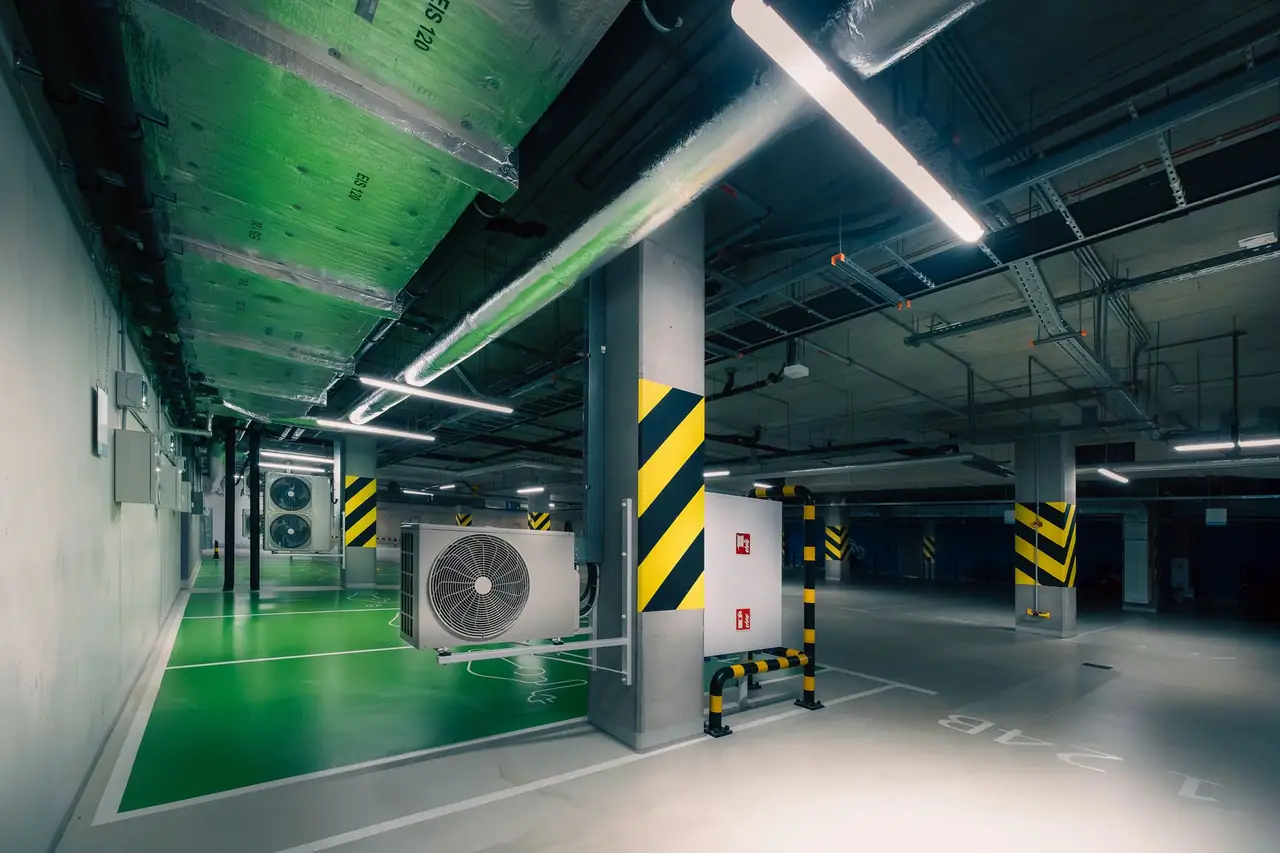
Walk through Mapleton Hill or Whittier on a cold November morning and you will see the same thing on street after street: brick ranches and two story houses from the 1950s and 1960s, solid as ever. They were built before anyone in Boulder talked about balanced ventilation. Then the upgrades came. New windows, air sealing, attic insulation, a tight new front door. The house got warmer, and somewhere along the way the air inside went stale. Cooking smells linger, the windows fog up, and the bedrooms feel stuffy by 3 a.m.
That is the trade every older Boulder home makes when it gets sealed up, and it is exactly the problem an ERV is built to solve. The catch is that a retrofit is not the same job as putting an ERV into new construction, where the ducts get drawn on the plans before the framing goes up. Boulder winters are cold and dry, so the unit has to bring in fresh air without chilling the bedrooms.
Why Older Boulder Homes Need a Different Plan
Boulder's older housing stock has a personality, and it shapes every retrofit. A 1958 ranch in Martin Acres is a different job from a 1920s bungalow near Chautauqua, and both are different from a 1970s split level in Table Mesa. The ranches often have low basements with exposed joists, which is good news for duct runs, and small closets, which is not. The bungalows have plaster walls and attics that are barely tall enough to crouch in. An ERV is not a heater, either. What it does is swap stale indoor air for fresh outdoor air while keeping most of the warmth already in the house. Our guide on how an ERV handles Colorado winters covers the dry air question.
Your Three Ductwork Options
Almost every retrofit in Boulder comes down to one of three ductwork plans. The right one depends on what your house already has, how much disruption you will accept, and where the bedrooms sit relative to the unit. There is no single best option. There is the option that fits your house.
Use the Ducts You Already Have
If your home has a forced air furnace with ductwork in decent shape, this is the simplest route. The ERV ties into the existing supply and return ducts, and the furnace fan helps move the fresh air around the house. The catch is that old ducts are not always good ducts. Ducts from the 1960s and 1970s are often undersized, leaky at the joints, or run through unconditioned attics. Our ductwork for ventilation systems page walks through what a good tie-in looks like.
Run a Dedicated Duct System
Some houses need their own ducts, and the most common reason is heat that does not use ducts at all. If your home heats with a boiler and radiators, baseboard heat, or radiant floors, there is no furnace ductwork to tie into, so the ERV gets a dedicated system of its own. Fresh air goes to the bedrooms and living areas, stale air gets pulled from the kitchen, the bathrooms, and the laundry room, and the two streams never mix. For a full ERV replacement and retrofit in a boiler heated home, this is usually the plan.
Go Small With a Mini-Duct System
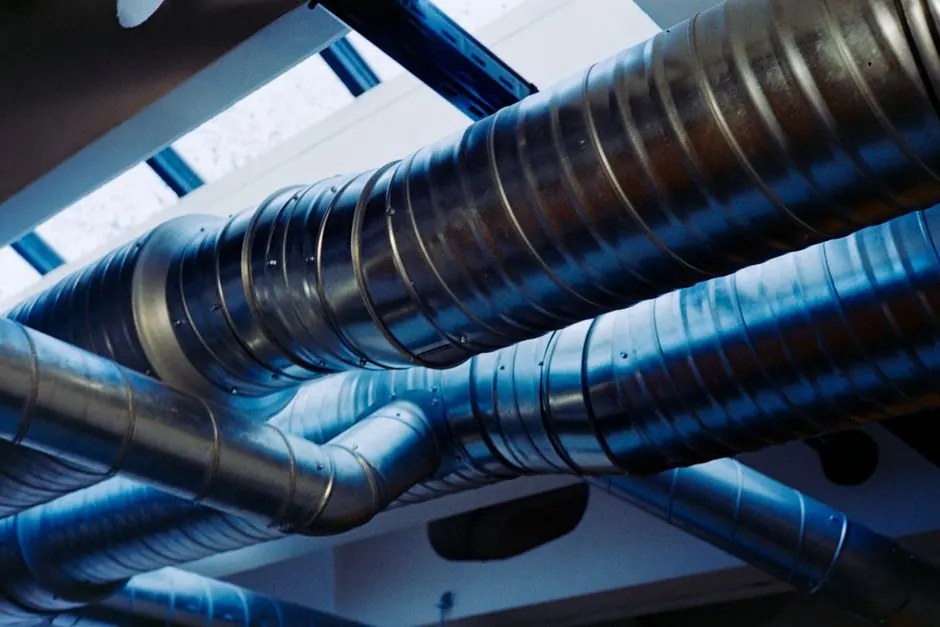
Mini-duct systems are the retrofit trick that makes the impossible jobs possible. Instead of standard six inch round ducts, the system uses small flexible ducts, often about two inches across, that thread through the spaces a standard duct never could: inside a closet wall, behind a built in bookshelf, or through a floor joist bay. Each room gets one or two small supply outlets, often tucked high on a wall where they disappear into the room. If someone tells you your house cannot take an ERV because there is no room for ducts, a mini-duct layout is the second opinion worth getting. Residential ERV installation in older homes leans on this approach more than any other.
The Install Challenges Nobody Warns You About
Every older home hides something. Plaster and lath walls do not cut cleanly, so openings take longer and patching takes a steady hand. Brick exterior walls need core drilling for the intake and exhaust penetrations, which is loud, dusty work. Old wiring and plumbing share the same joist bays the ducts want. Low basement ceilings are the everyday challenge. A 1950s ranch basement might give you six and a half feet of headroom under the joists, and the unit plus its ducts have to fit without turning the laundry room into an obstacle course. Wall mounting the unit helps, and so does a proper airflow balance at the end.
Asbestos is the one that stops a job in its tracks, and it deserves a straight answer. Some pre-1980s homes in Boulder have asbestos in old duct wrap, pipe insulation, or floor tiles. A careful installer looks for it during the site walk and, if anything looks suspect, the work pauses while it gets tested. That is not a reason to skip the retrofit. It is a reason to do the walkthrough properly, before anyone cuts a hole.
What the Retrofit Process Looks Like, Day by Day
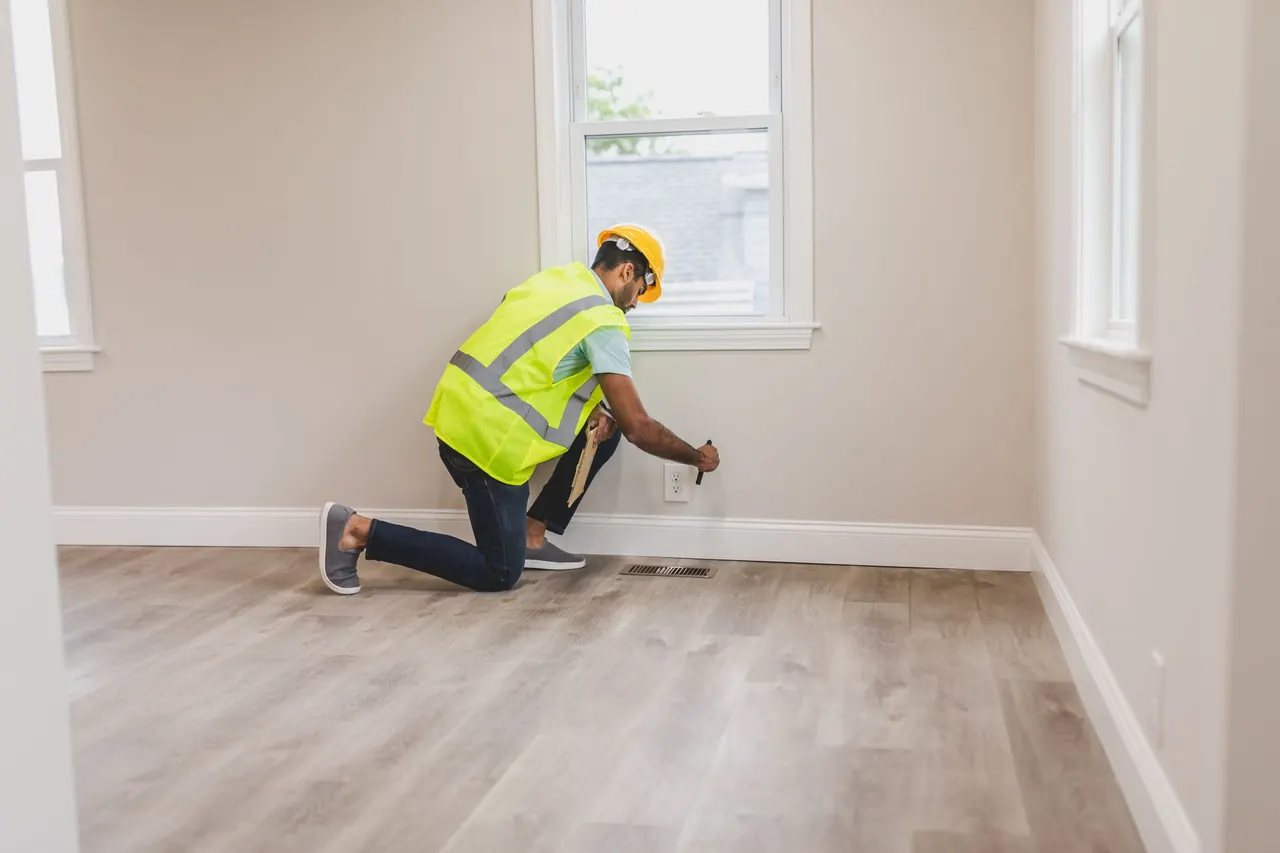
The work starts before anyone picks up a tool. A site walk comes first, and it is the most important part of the job. The installer walks the basement, the attic, and every room, measures the house, looks at the existing ducts, checks the electrical panel for a circuit, and finds the two spots on an outside wall where the intake and exhaust will go. They will ask about the stuffy rooms and the foggy windows. Bring your complaints to that walk. They shape the design. Our guide on how long ERV installation takes covers the general timeline.
Day one is usually layout and rough-in. The crew marks the duct routes, cuts the vent openings, and starts running ducts from the unit location outward. This is the dusty day, and the crew should seal off the work areas with plastic. Day two is the unit itself: mounting, connecting the ducts, running the intake and exhaust through the outside wall, and wiring the controls. Day three is finishing, balancing, and testing. Each vent gets measured and the dampers get set so the bedrooms get their share. Most retrofits take two to four days on site, and the house stays livable through all of it.
How to Tell If Your House Is a Good Fit
Almost any older Boulder home can take an ERV. A home with a basement, an accessible attic, or closets that stack from floor to floor is an easy fit. A home with a finished basement, no attic access, and plaster walls everywhere is still doable, but it leans on mini-ducts and careful routing. Our ERV sizing guide explains how the size gets picked. If you are in downtown Boulder or North Boulder with a small lot, bring it up early. A finished basement can share the system; see why finished basements in Boulder need ERV ventilation.
Frequently Asked Questions
Can you add an ERV to a house with no ductwork? Yes. It gets a dedicated duct system or a mini-duct system, with small flexible ducts run through closets and chases to each room.
Will retrofitting an ERV mean tearing open my walls? Usually not much. Most retrofits use existing chases, closets, and the basement or attic, with a few small openings for vents. Some patching is normal.
How long does an ERV retrofit take in an older Boulder home? Most retrofits take two to four days on site. A home with usable existing ducts is faster.
Does an ERV work with a boiler or radiant heat? Yes. An ERV is a ventilation system, not a heating system, so it works alongside a boiler, radiant floors, or baseboard heat.
Where does the ERV unit go in an older home? The basement is the most common spot, usually on a wall near an outside wall for the intake and exhaust.
Will an ERV help with winter dryness in Boulder? An ERV recovers some moisture from outgoing air, so it dries a house out less than a plain exhaust fan does. It is not a humidifier, though.
Get Help With Your ERV Retrofit in Boulder
If your older Boulder home feels stuffy since the windows and insulation got upgraded, the air is telling you something. A site walk is the way to find out which ductwork option fits your house and where the unit and vents would go. Call FreshFlow ERV at (303) 879-1240 and tell us the age of your house and the rooms that feel worst. We will walk the house with you and give you a straight answer.