How an ERV Balances Humidity in Boulder Homes Through Dry Winters
Dry skin, static shocks, and a sore throat every January morning. Boulder winter air does that to heated homes, and an ERV is one of the few fixes that adds comfort without throwing heat away.
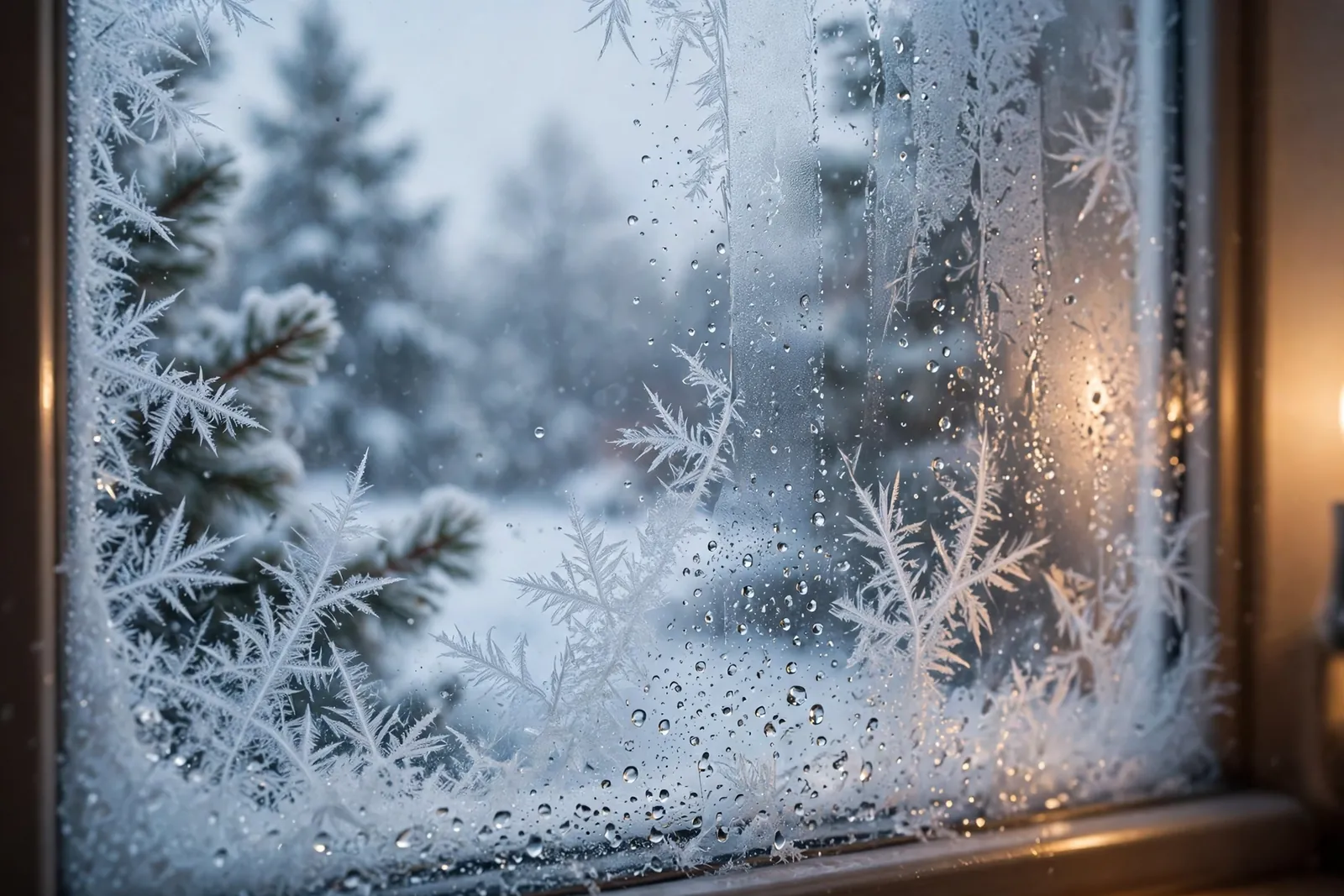
You wake up in January with a dry throat, your lips are cracked, and the first doorknob you touch gives you a static shock hard enough to make you flinch. The wood floor has a new gap along the baseboard. Nobody in Boulder is surprised by any of this. Winter here is dry, and heating a house makes it drier.
What surprises people is how much of that dryness comes from the air itself, not from the furnace. Cold outdoor air holds very little moisture, and warming it to room temperature drops its relative humidity fast. Every breath of fresh air dilutes the moisture your household makes. An ERV changes that trade: it brings in fresh air while handing back some of the moisture and heat that would otherwise go straight outside. This blog explains how that exchange works and which settings keep it working through the driest months.
Why Boulder Winter Air Gets So Dry Indoors
Boulder starts dry and gets drier. The city sits at about 5,400 feet, where the air is thin and the Front Range wind strips moisture out of everything it touches. A January day might read 30 percent humidity outside, which sounds tolerable until you heat that same air to 70 degrees indoors. Warm air can hold far more water vapor, so the same small amount of moisture now fills a much smaller share of what the air could hold. Relative humidity indoors can drop into the teens on a cold snap, and that is when skin cracks, sinuses ache, and wood shrinks.
Tight construction adds a twist. A well sealed Boulder home keeps heat in, but it also keeps the same dry air cycling through the rooms. Cooking, showers, and houseplants add moisture, yet a house with no controlled ventilation loses it in bursts: a bathroom fan here, a cracked window there, a range hood at full blast. The fix is not to seal tighter or stop ventilating. It is to ventilate in a way that keeps the moisture you already made. If your home feels stuffy as well as dry, those are familiar signs of poor ventilation in a Boulder home, and the two problems often share one cause.
How an ERV Moves Moisture Without Losing Heat
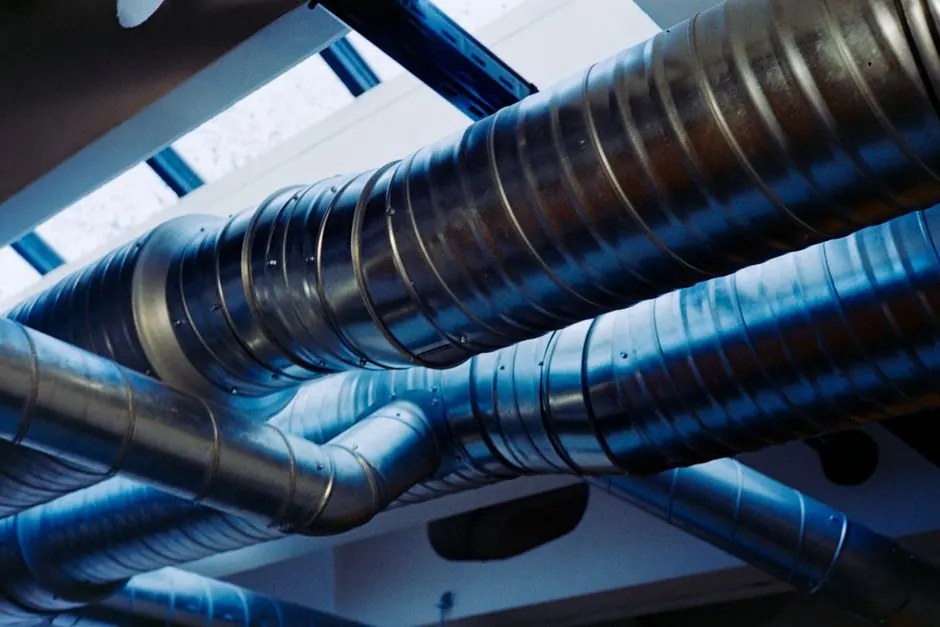
An ERV runs two air streams past each other inside a core: stale indoor air heading out, fresh outdoor air heading in. The streams never mix, but the core lets heat and moisture pass between them. In winter, the outgoing air is warm and carries the moisture from showers, cooking, and breathing. The incoming air is cold and dry. As they pass through the core, heat moves into the cold stream and water vapor moves with it, so the fresh air arrives warmer and a little more humid than the air outside.

That moisture transfer is what separates an ERV from a heat recovery ventilator. An HRV recovers heat only, so it does nothing for dryness. An ERV core, usually paper or membrane, lets water vapor pass while keeping the air streams apart. It adds no water from a tank, and it cannot humidify a home on its own. It recycles the moisture your home already produces instead of dumping it outside. For the full picture, start with our ERV installation guide for Boulder homes, and if you are weighing the two machine types, see ERV vs HRV: which one your Boulder home actually needs.
What Happens Inside the Core on a Cold Night
Picture a clear night in late January. The temperature outside drops into the teens, the furnace runs long cycles, and every room in the house slowly dries out. The ERV keeps turning over at low speed, pulling in cold dry air and sending out warm stale air. Inside the core, the outgoing stream gives up heat and moisture to the incoming stream, so the supply air reaching the bedrooms is no longer the raw, dry air from outside. It is tempered air, closer to room conditions, and the house holds its humidity instead of losing it with every air change.
On the coldest nights, frost can form inside the core where warm moist exhaust air meets freezing supply air. Most units handle this with a defrost cycle that briefly pauses the supply fan until the frost clears. You might notice the unit go quiet for a few minutes, then resume. That pause is normal. What is not normal is a unit that stays off for hours, or a house that feels stuffy every morning despite the unit running. Those point to a control or airflow problem worth a look before the next cold snap. Our guide to ERVs in Colorado winter cold covers defrost behavior in more detail.
Settings That Keep Winter Air Comfortable
Most ERVs offer a few fan speeds, a humidity control, and a choice between continuous and intermittent running. In a Boulder winter, continuous low speed is the setting that does the most work. A steady trickle of tempered, slightly humidified air holds indoor humidity far better than short bursts at high speed, which swap a lot of air at once and drag the humidity down with each cycle.
- Run it steady on low. Continuous low speed keeps moisture recycling all day and all night, which is when dryness does its worst work on skin and sinuses.
- Set the humidity control to the middle of its range, then watch the windows. If the glass stays dry and your skin still feels parched, nudge the setting up. If the windows fog heavily each morning, nudge it down.
- Boost briefly after showers and cooking. A short high speed run clears steam and cooking moisture before it condenses on cold surfaces, then drop back to low.
- Do not over ventilate on the coldest days. Below zero, a lower speed holds more heat and moisture in the house.
- Check with a cheap hygrometer. A small humidity gauge in the living room tells you more than any guess. Mid 30s percent relative humidity in midwinter is a comfortable target for most Boulder homes.
One setting people overlook is the bathroom timer. If the ERV boosts every time a bathroom light comes on and stays high for an hour, it can over ventilate a small home all winter. Shorter boost times keep the steam clearing without drying the rest of the house. And if some rooms feel fine while others feel bone dry, the duct layout may be uneven, which is where airflow balancing and commissioning earns its keep.
Signs the Humidity Balance Is Off
Your house tells you when the balance is wrong, and the signals cut both ways. Too dry, and you get the classic Boulder winter list: static shocks, cracked lips, nosebleeds, itchy skin, and wood floors that gap along the boards. Too humid, and the windows fog each morning and water beads on the glass. In a Boulder winter, too dry is far more common, but a humidity setting left high can push a tight home the other way.
Window condensation is the easiest gauge, and it is also the most misread. A light mist on the lower corners on the coldest mornings is normal and even useful: it means the air holds some moisture. Heavy fog, running water, or frost on the inside of the glass means the setting is too high or the unit is not moving enough air through the rooms with the most moisture. Before you blame the ERV, check the simple things: a filter clogged with dust, a supply grille blocked by furniture, or an intake hood packed with snow. Our post on window condensation and how an ERV helps walks through the difference between normal winter mist and a real problem.
Winter Maintenance That Keeps Moisture Moving
An ERV only recycles moisture when air actually moves through it, and winter is when airflow quietly drops. Filters load up faster when the furnace runs more, and the intake hood collects leaves in fall and snow in winter. A short routine keeps it working: check the filters monthly from November to March, clear the intake and exhaust hoods after every snow, and wipe down the core if your model allows it, following the manual for your unit.
If the house still feels dry after the basics, the answer may be a duct or control issue. A disconnected supply run, a damper stuck shut, or a humidity sensor that reads wrong can leave one floor dry while the rest feels fine. That pattern shows up in older ranches in Longmont and newer builds in Superior alike, and a seasonal visit through ERV maintenance and tune ups or an indoor air quality assessment finds it faster than guessing at the controls. For homes still deciding, residential ERV installation in Boulder lays out how the work fits a finished home, and our ERV maintenance checklist for each season keeps the system ready year round.
Related guide: ERV in Winter: Does It Work in Colorado's Cold?